THE 7 VILLAGES OF MOCLIN
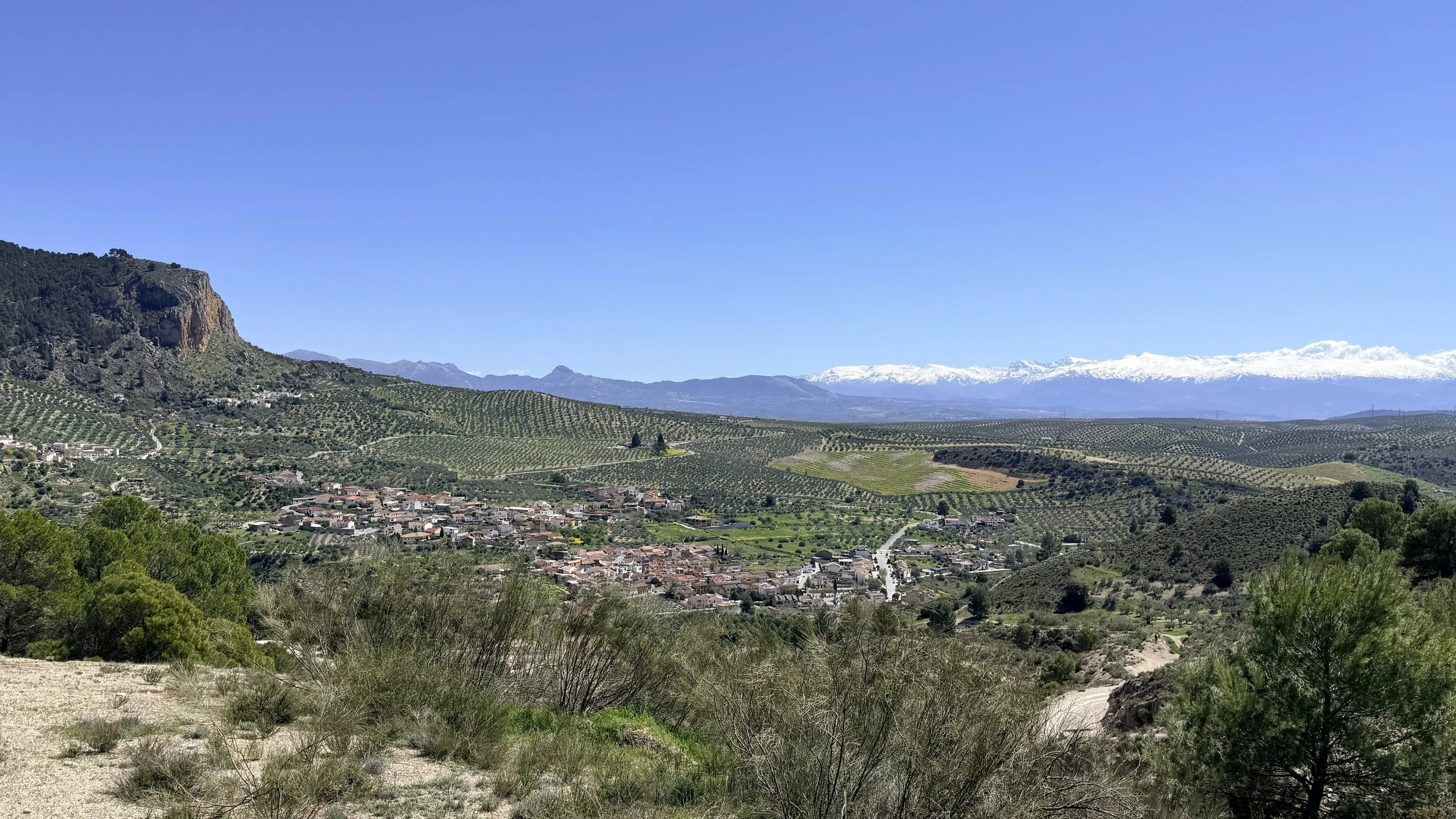
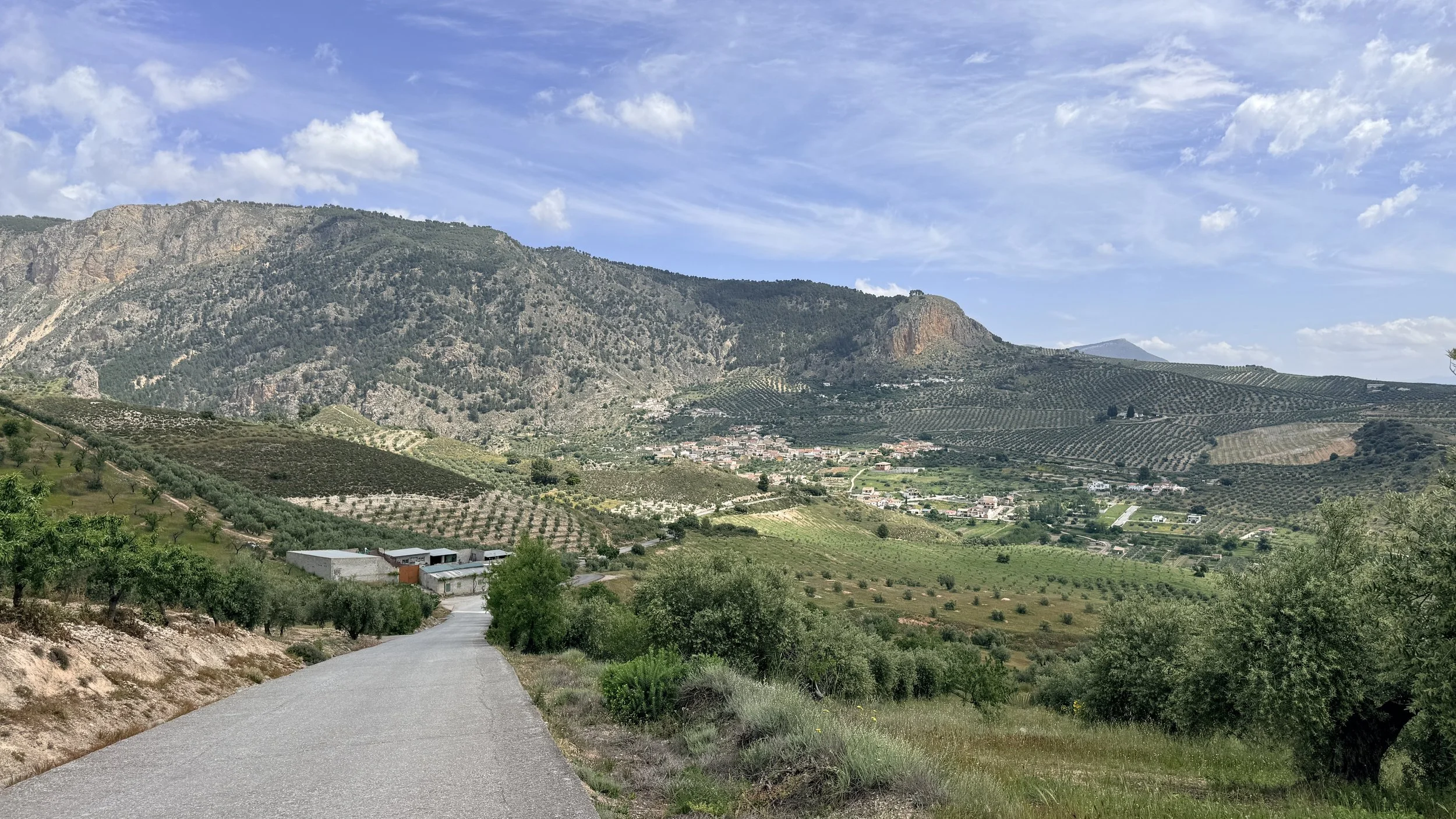
The municipality of Moclín is located in the northwest of the province of Granada, straddling eastern and western Andalusia. Its proximity to the city of Granada, just 30 km away, allows tourists to visit one of its most emblematic monuments, the Alhambra, stroll through the Albaicín neighborhood, or even enjoy a day of skiing in the Sierra Nevada mountains.
This town is one of the richest in historical and artistic heritage in the entire province. It boasts a history of occupation spanning millennia, evidenced by the abundant archaeological remains from different periods and cultures.
Its privileged location in the fertile Velillos River valley has fostered the development of settlements since the Paleolithic era. These communities have dotted the landscape with various architectural landmarks, such as the Nasrid fortress, the Sanctuary of Cristo del Paño, and the Mozarabic Necropolis.
The seven villages consist of:
MOCLIN
PUERTO LOPE
LIMONES
TOZAR
TIENA
GUMIEL
OLIVARES
PUERTO LOPE
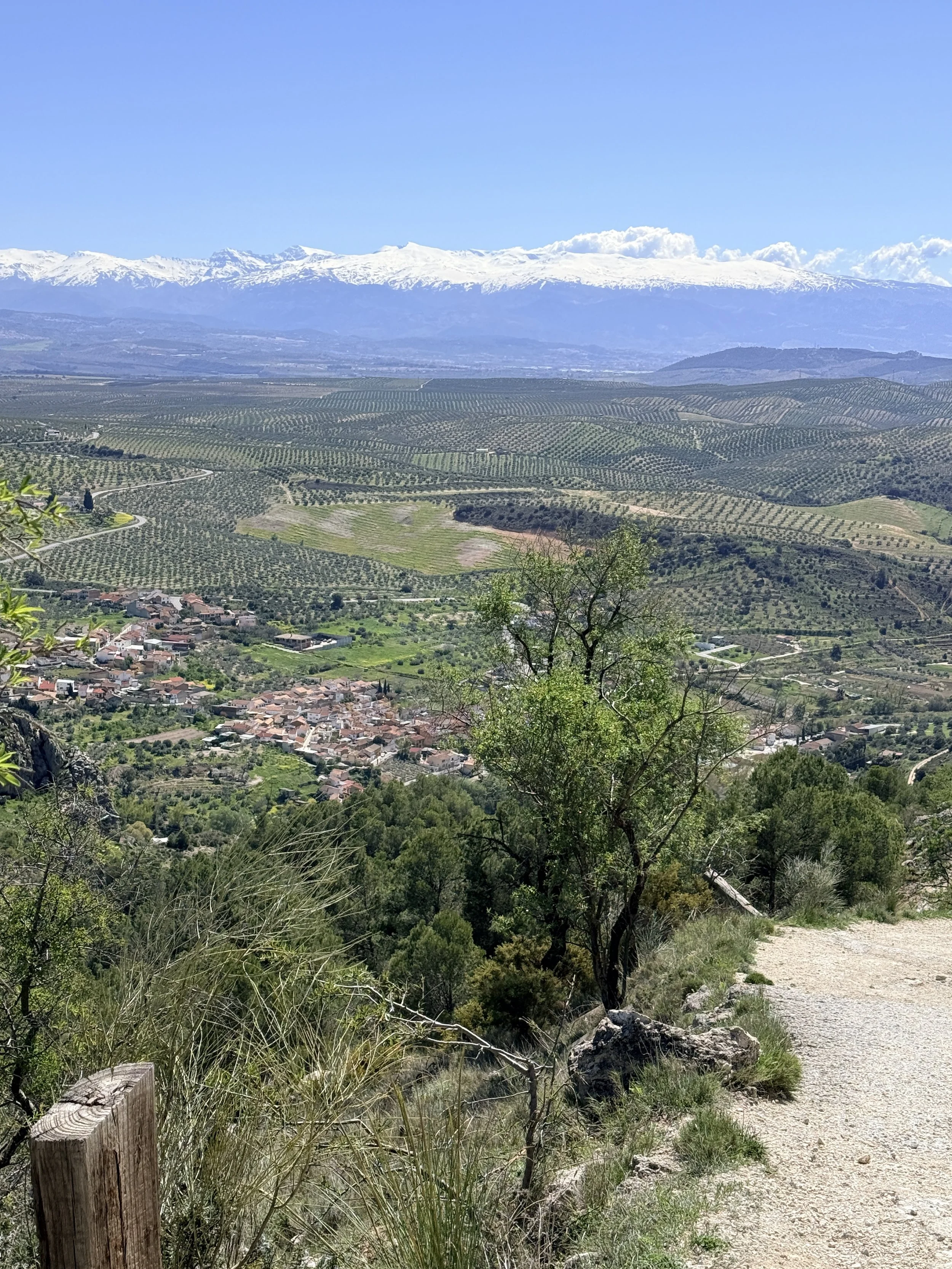
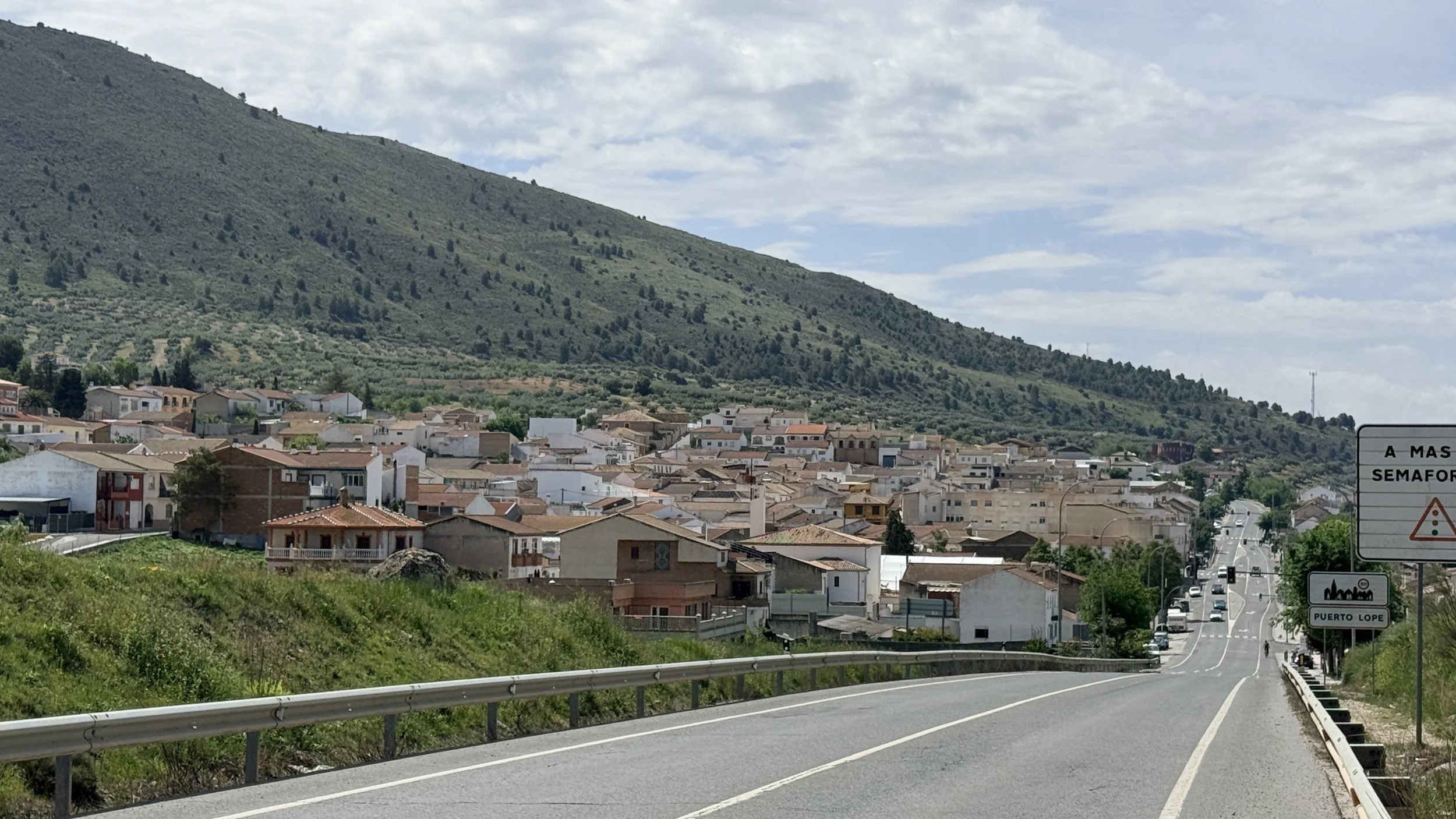
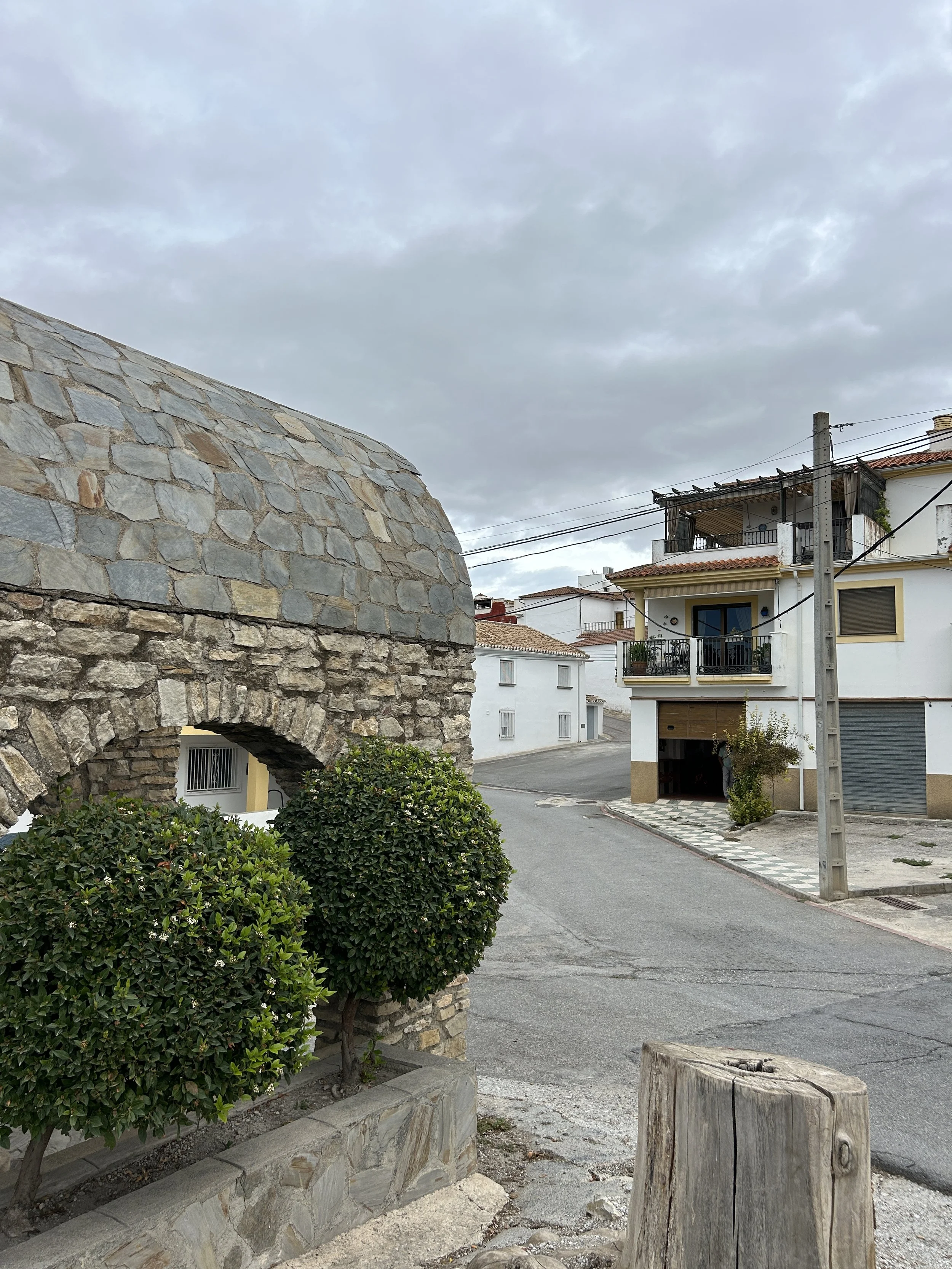
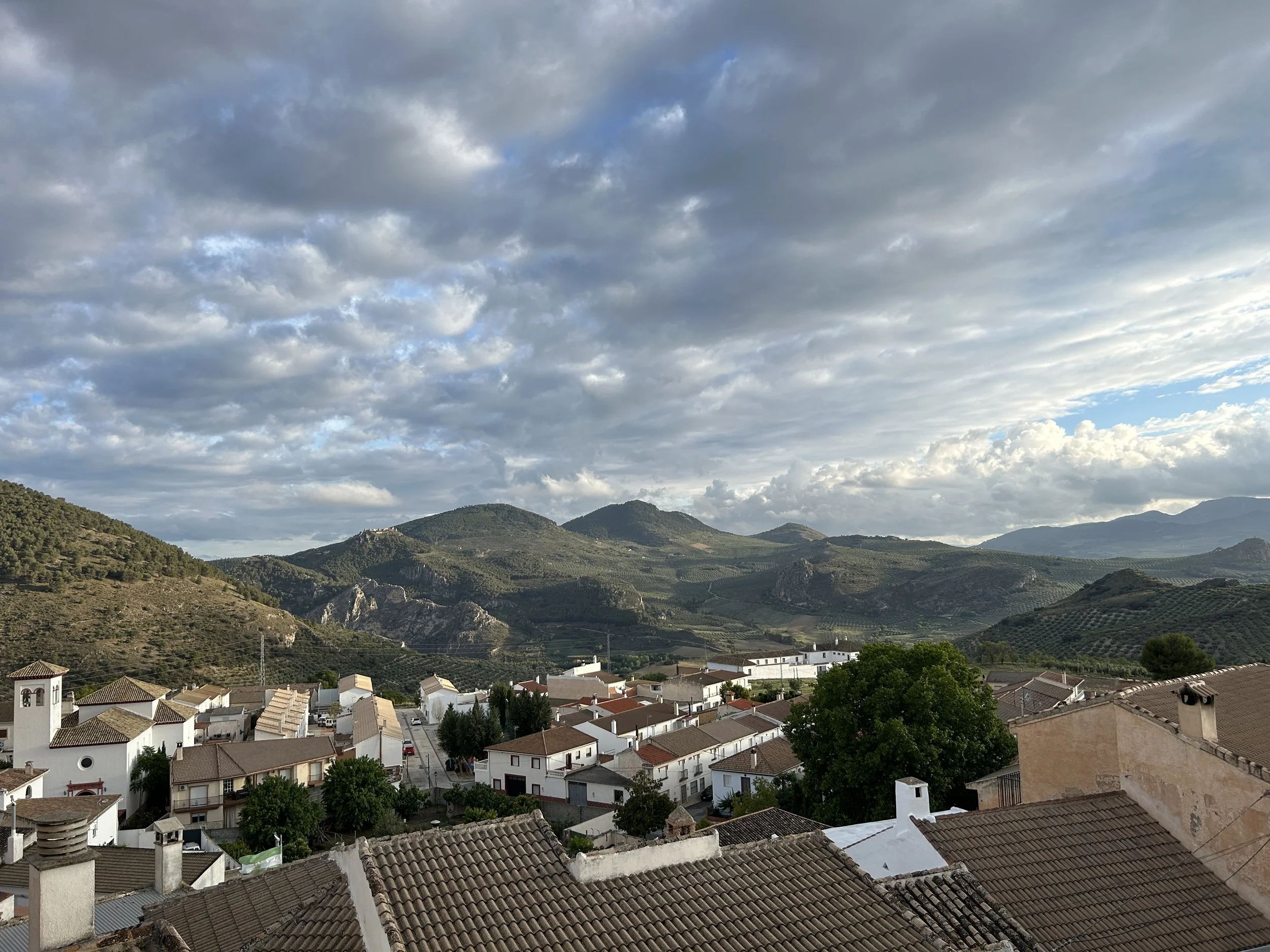
Puerto Lope (commonly known as El Puerto) is a village belonging to the municipality of Moclín, in the province of Granada. It is located in the eastern part of the Loja region. Six kilometers from the border with the province of Jaén, the villages of Tiena, Tózar, and Íllora are nearby.
This village is the largest population center in the entire municipality and is where most of the leisure activities take place. Its name comes from its owner, Lope de León, a judge of the Royal Chancery of Granada and father of Fray Luis de León.
Established in Roman times, it gained importance during the period of Muslim occupation, becoming a free port for trade due to its strategic location as a passage between the Kingdom of Granada and the Crown of Castile.
During the French occupation in the 19th century, Puerto Lope was devastated due to its resistance to the enemy, and was later repopulated.
Among the monuments and historical remains are the Mingoandrés Watchtower and the Gallina Watchtower. These are Nasrid-era watchtowers with a circular floor plan, as was common for watchtowers of that period.
Puerto Lope celebrates its patron saint's day on May 3rd, the Day of the Cross, in honor of Our Lady of Remedies.
TÓZAR
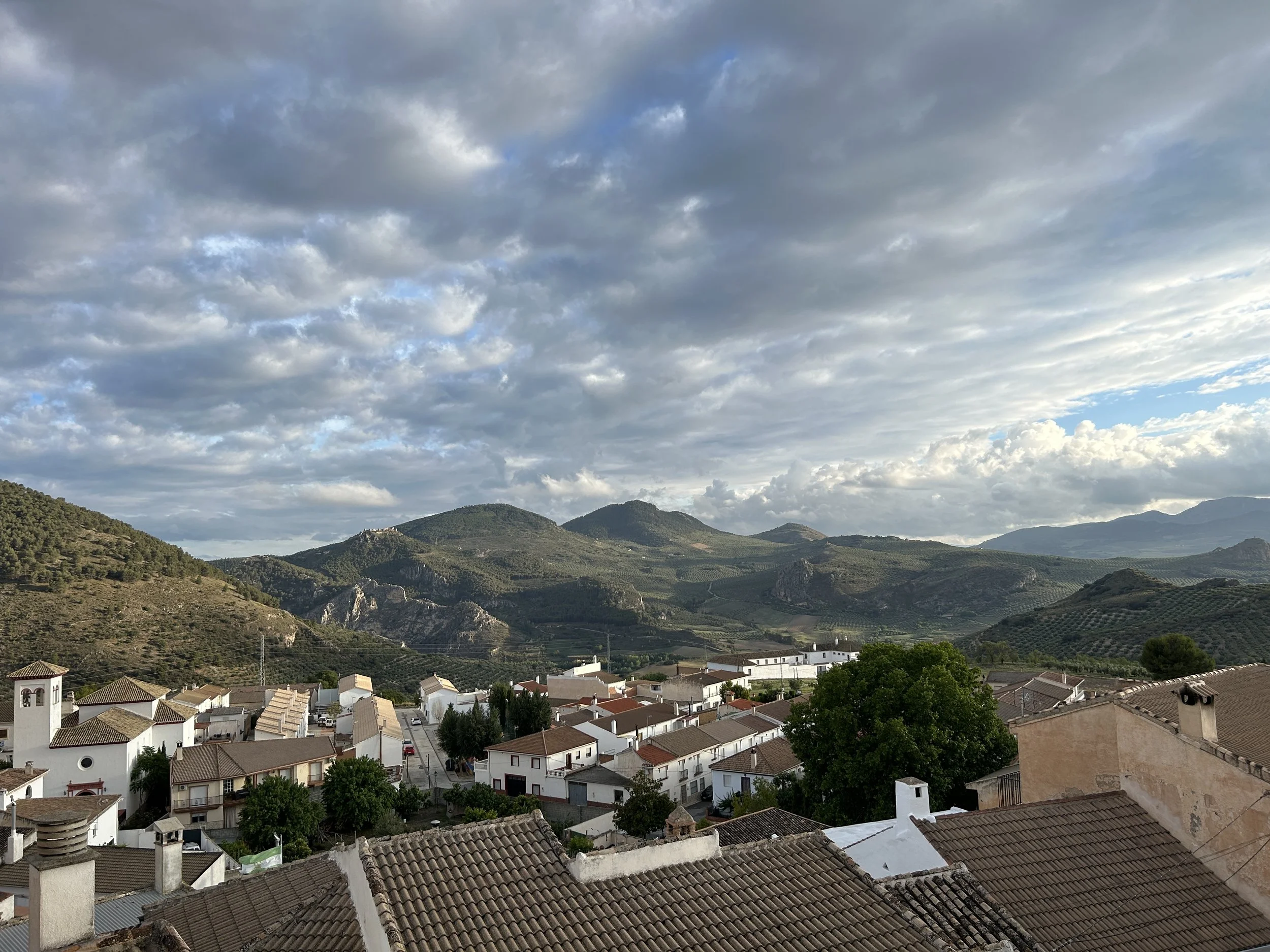
Tózar is a village belonging to the municipality of Moclín, located in the eastern part of the Loja region. Eight kilometers from the border with the province of Jaén, it is near the towns of Limones, Alcalá la Real, Colomera, and Benalúa de las Villas.
The name comes from the Arab period, when it was called "Tusar." The watchtower that forms part of the defensive network of the Moclín area, the Torre de las Porquerizas (Tower of the Pigsties), also dates from this period.
The Romans also left their mark: a silo on the outskirts of the town, ceramic fragments, and numerous coins. The archaeological site includes the remains of a Copper Age dolmen and a Visigothic necropolis.
From more recent history, the memory of the fierce battles that took place during the three years of the Spanish Civil War remains, as do the numerous trenches that can be found in the area surrounding Tózar.
Tózar celebrates its local festivities around March 19th in honor of Saint Joseph the Worker, the town's patron saint.
Of particular note is the celebration of the traditional Candelaria on the night before February 2nd, where various bonfires are lit using pallets, old furniture, and other materials collected by young people in the preceding weeks. This custom is widespread in the region. the central-western area of the province of Granada.
In 2011, a viewpoint was built in Tózar offering views of the graves and parapets from the Spanish Civil War. An artificial lake has also been created next to the parapets.
TIENA
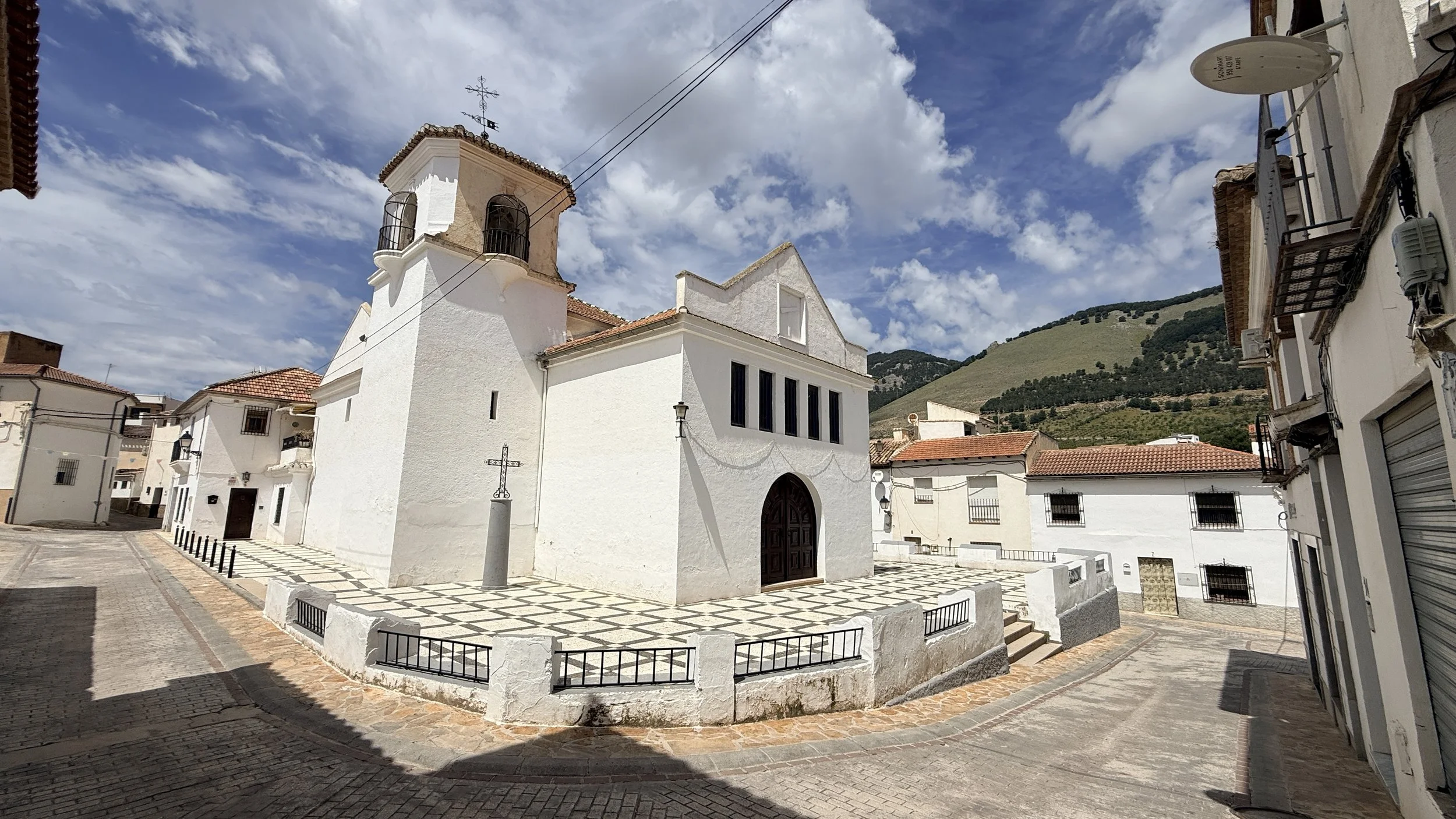
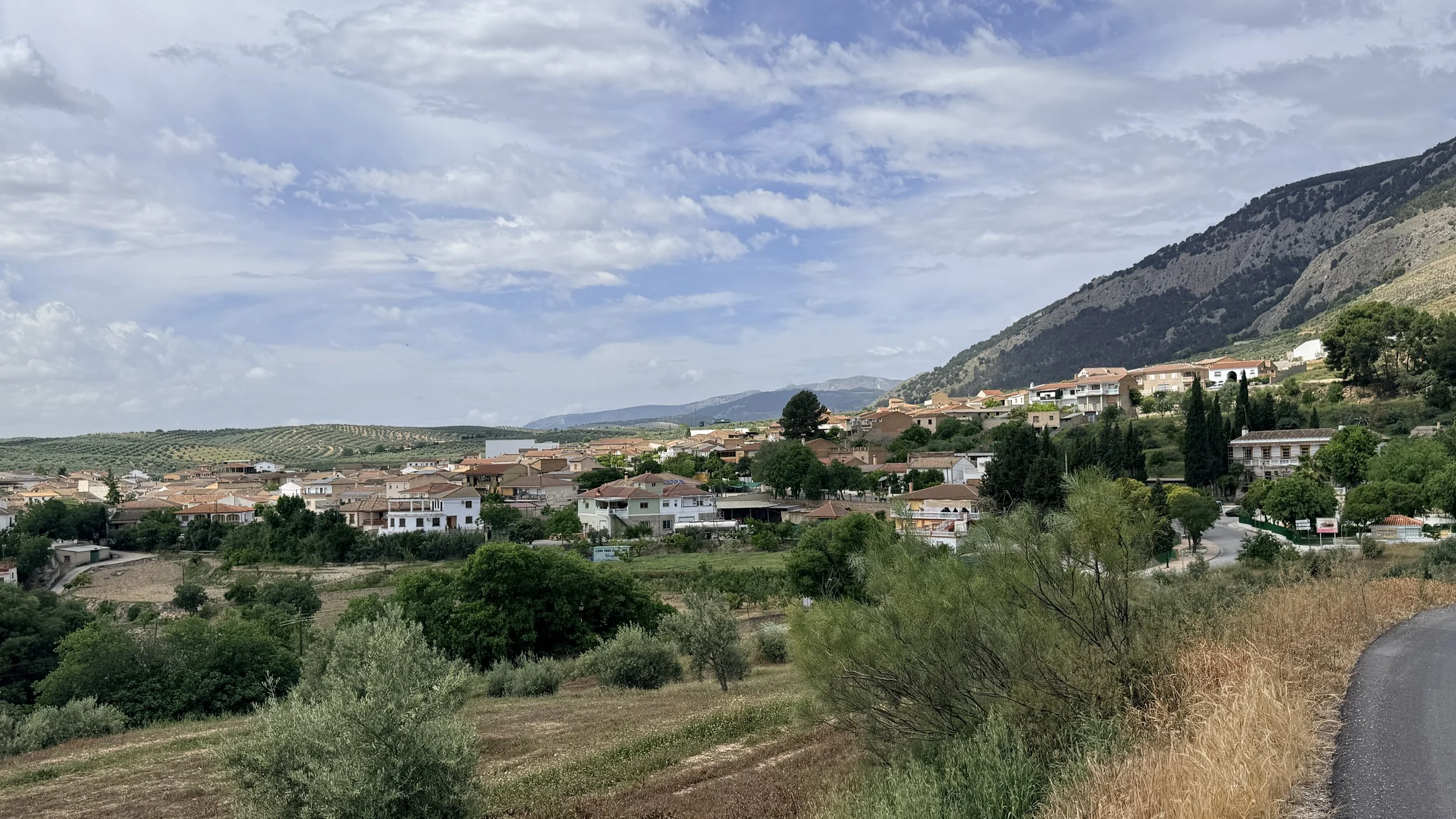
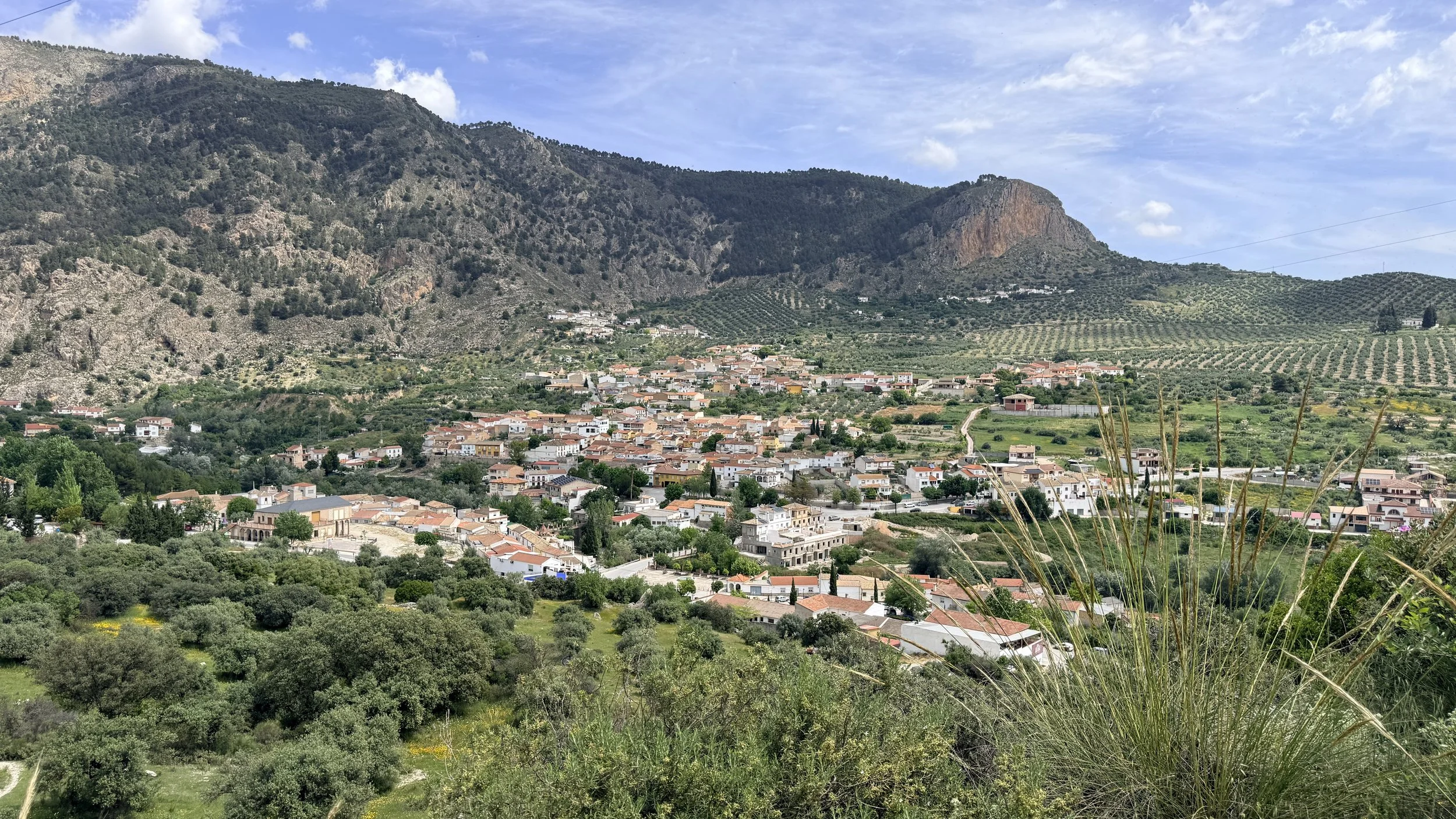
Tiena is a Spanish village and hamlet belonging to the municipality of Moclín, in the province of Granada, in the autonomous community of Andalusia. It is located in the eastern part of the Loja region. Nearby are the villages of Olivares, Puerto Lope, and Búcor. Tiena is one of the most populated villages in the Moclín area and is located three kilometers from the N-432 highway towards Córdoba, where the Municipal Sports Center and the Municipal Cultural Center are located. Its main industry is related to olive cultivation.
Must-see sites include its church, its pillar, and an archway near the church that provides access to the old quarter, characterized by its narrow streets and an old washhouse.
Three kilometers away, you can visit Moclín Castle or take the Gollizno Route, which crosses landscapes of exceptional beauty and a suspension bridge.
Tiena celebrates its festival on September 24th in honor of its patron saint, the Virgin of Mercy.
OLIVARES
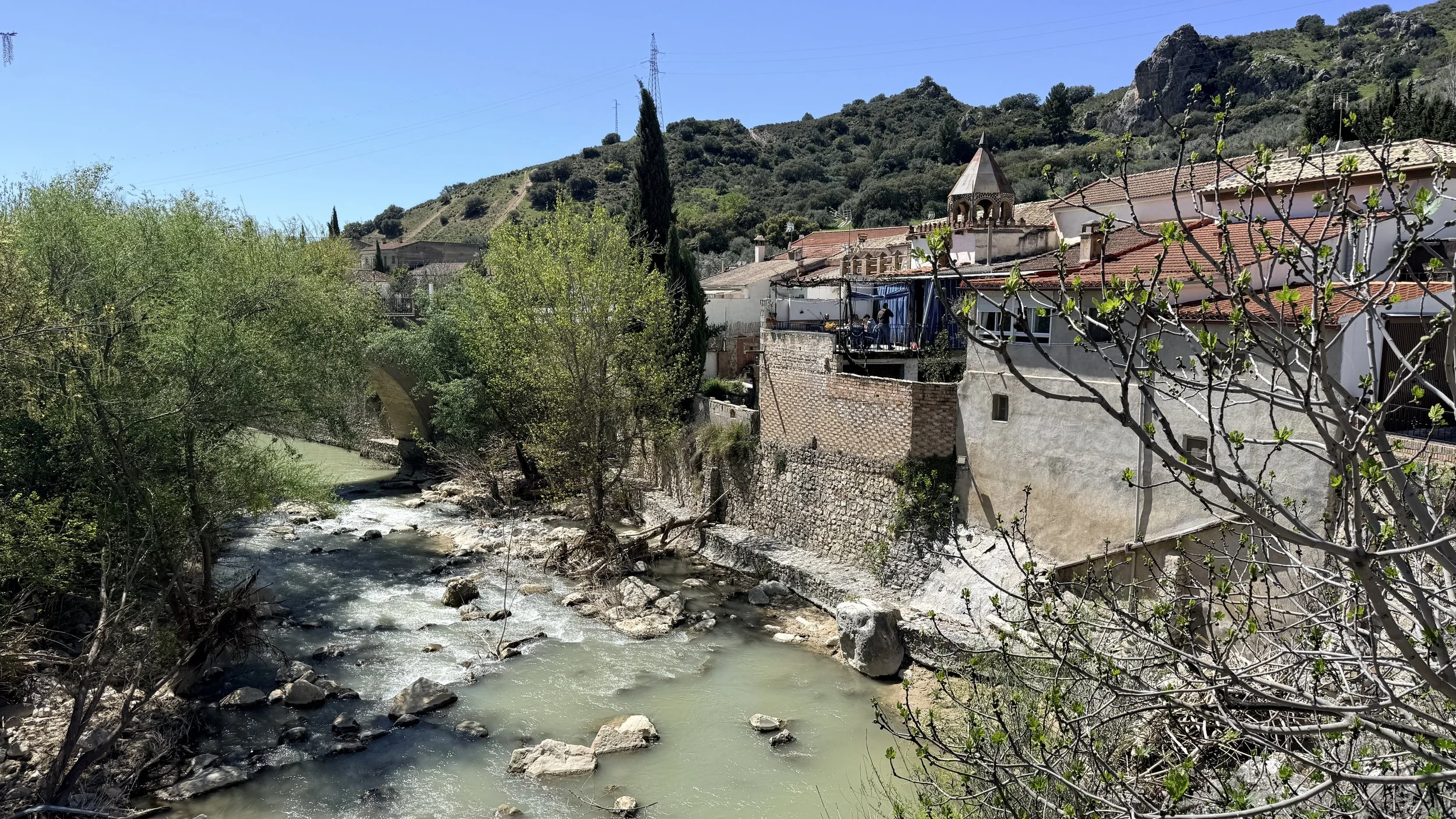
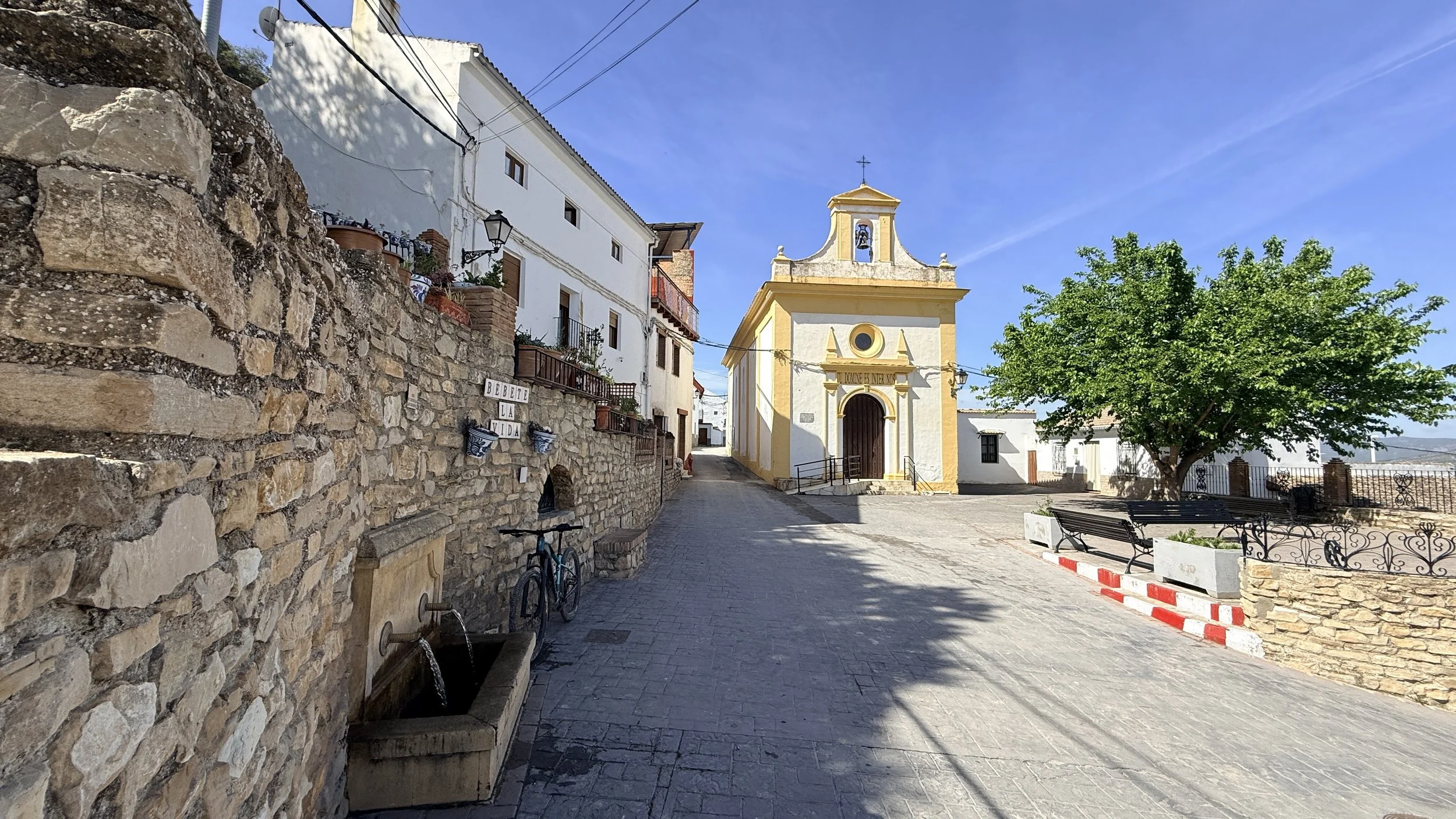
Olivares es una localidad perteneciente al municipio de Moclín. Este pueblo se encuentra en la comarca de Loja, a unos 33 kilómetros de la ciudad de Granada.
Está ubicado entre los pueblos vecinos de Colomera, Tiena y Pinos Puente. Cerca de Olivares se localizan también los núcleos de Moclín, Búcor y Puerto Lope.
El pueblo en sí es un monumento de naturaleza, en él podemos disfrutar de la tranquilidad y el bienestar que nos ofrecen sus calles, escuchar el sonido del agua del río Velillos, que atraviesa el pueblo y viene de la sierra. También podemos disfrutar por senderos antiquísimos donde tradición y naturaleza se fusionan, y de antiguos edificios como lo es el Convento de Olivares, y algunos más que ofrece el pueblo así como su famosa Ruta del Gollizno.
Entre sus festividades destacamos:
El día de la candelaria el 2 de febrero, donde los jóvenes agrupan toda clase de maderas durante todo el mes de enero, y esa mágica noche del dos de febrero ven cómo todo su trabajo se convierte en cenizas. Con la quema también se purifican las almas de las personas que allí se encuentran.
Día de la Santísima Virgen de la Cabeza, el último fin de semana de abril. La fiesta dura dos días. El sábado es el día principal de la fiesta. Todo el pueblo se une en una romería bonita y querida por todos, y celebran y festejan un año más con su santísima virgen. Y al día siguiente, una misa en honor a la Virgen de la Cabeza, en la que se la saca en procesión por todo el pueblo, seguida de una banda musical.
Fiestas de San Antonio, patrón de Olivares, el 13 Todo el pueblo se engalana durante 4 o 5 días para disfrutar de esas grandes fiestas que ya son conocidas por todos.
LIMONES
Limones is a village belonging to the municipality of Moclín. It is located on the border with the province of Jaén.
It is accessed via the GR-3415 provincial road from the Granada-Córdoba national highway. One of the earliest records of the village is a document from 1488 mentioning the Tower of Limones, on the border with the Nasrid Kingdom of Granada.
Pascual Madoz's geographical dictionary, from the mid-19th century, refers to the village as a hamlet dedicated to the cultivation of olive and lemon trees, among other basic rural activities. Currently, it has a population of 161 inhabitants, and this village boasts a medical clinic, squares, a park, a sports field, and a notable spring known for its high-quality water.
In Limones, visitors can explore the Church of San Miguel Arcángel. Among the local festivals are Candlemas on February 2nd, the Feast of Saint Michael at the end of August, and the Feast of Saint Michael the Younger at the end of September.
MOCLÍN
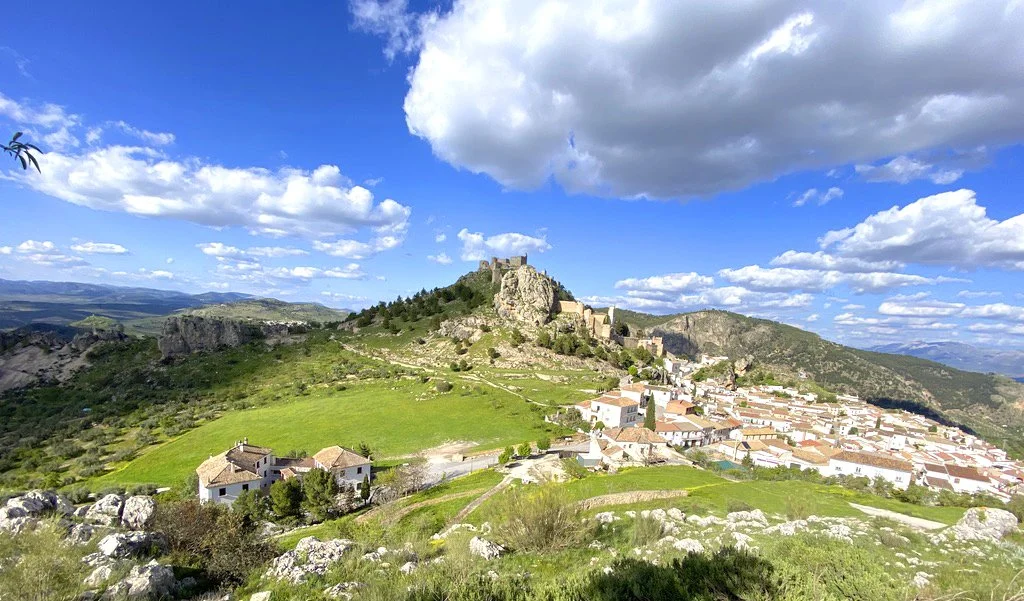
Moclín is a town and municipality in the province of Granada. It is located in the easternmost part of the Loja region. It borders the Granada municipalities of Montillana, Colomera, Atarfe, Pinos Puente, and Íllora, and the Jaén municipality of Alcalá la Real. The Velillos River flows through its municipal area.
The municipality of Moclín comprises the population centers of Moclín, Puerto Lope, Olivares, Tiena, Tózar, Limones, and Gumiel. It is worth noting that, despite giving its name to the municipality and being its capital, Moclín is the fifth most populated of the seven centers.
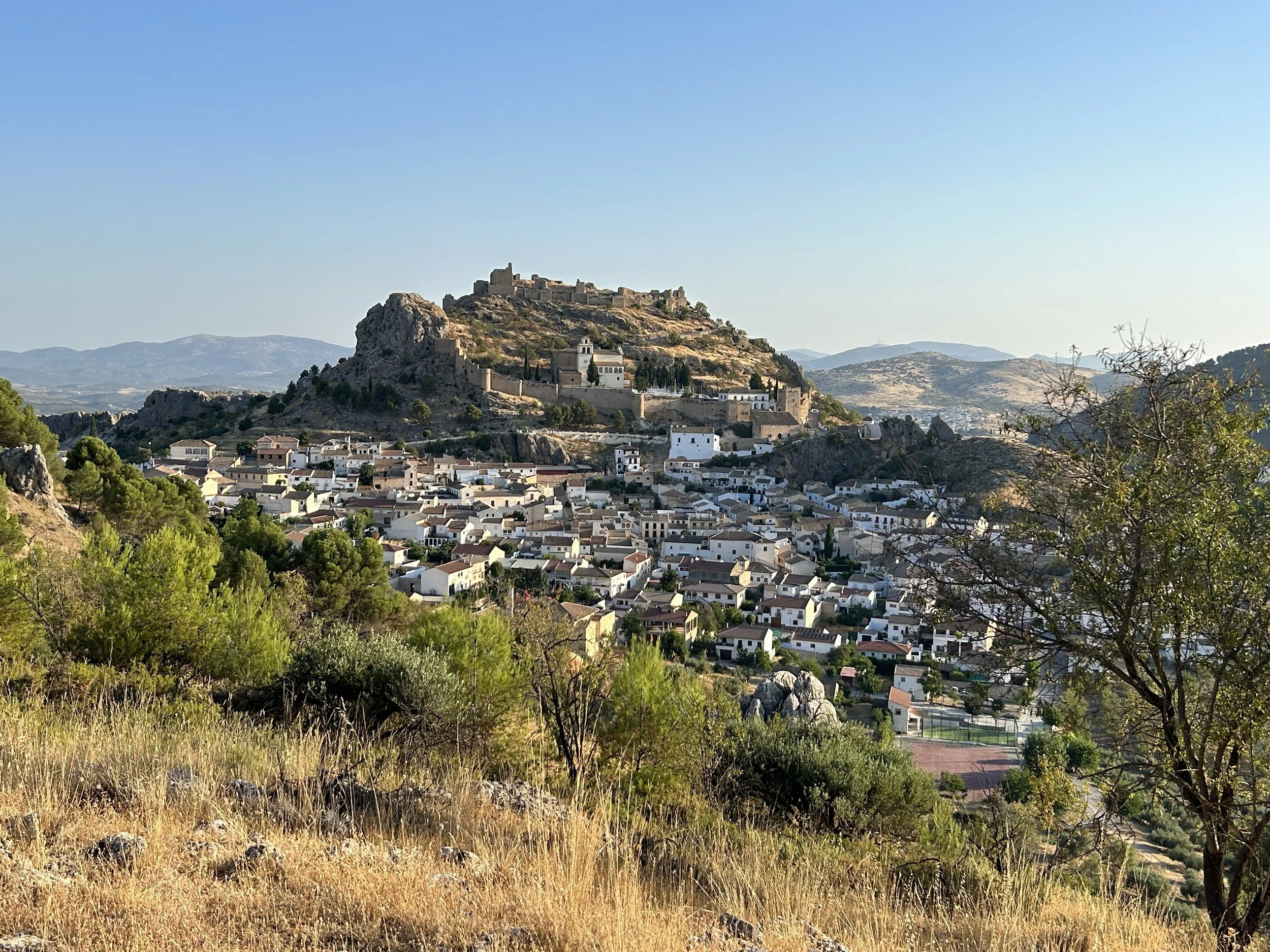
Moclín derives its name from the Hispano-Arabic term "Hisn Iqlim," meaning "castle of the district," one of the thirty-three territorial demarcations (or iglim) into which the Nasrids divided the Kingdom of Granada. Other sources suggest it could derive from "Hisn al-Muklin" ("fortress of the pupils"); the town was known by both names to the Muslims. The villages of Moclín are crowned by this fortress, built in the mid-13th century for the defense of the Nasrid Kingdom of Granada.
In Moclín, we can visit its castle, a fortress built in the mid-13th century for the defense of the Nasrid Kingdom of Granada. It is located in the upper part of the walled enclosure of the fortified town of Moclín, which consists of two sections, the second of which is the citadel itself. Situated at an altitude of 1,100 meters, it played a crucial role in controlling the passage between Alcalá la Real and the Vega of Granada after the signing of the Pact of Jaén. We can also visit the Church of the Incarnation, located at the foot of the castle, and the Hermitage of San Antón.
Every October 5th, the pilgrimage of Cristo del Paño takes place, with thousands of pilgrims coming each year to see this large canvas in procession.
On January 17th, the Feast of Saint Anthony, patron saint of Moclín, is celebrated.
GUMIEL
The Casillas de Gumiel, belonging to our municipality, receive this name because they are located near the farmhouse called Gumiel. This group of houses has: an old Town Hall, a multi-sports court, a small chapel dedicated to the Virgin of Carmen, as well as a flour mill and bakery and an olive oil mill.